
Buying an 8×10 rug sounds simple until you realize how much the wrong choice can affect the feel of a room. A rug that is too small, too busy, too thin, or poorly placed can make even a beautiful room feel awkward and unfinished. On the other hand, the right 8×10 rug can instantly make a room feel grounded, elegant, and complete. That is why more homeowners in 2026 are paying attention not just to rug style, but to rug strategy.
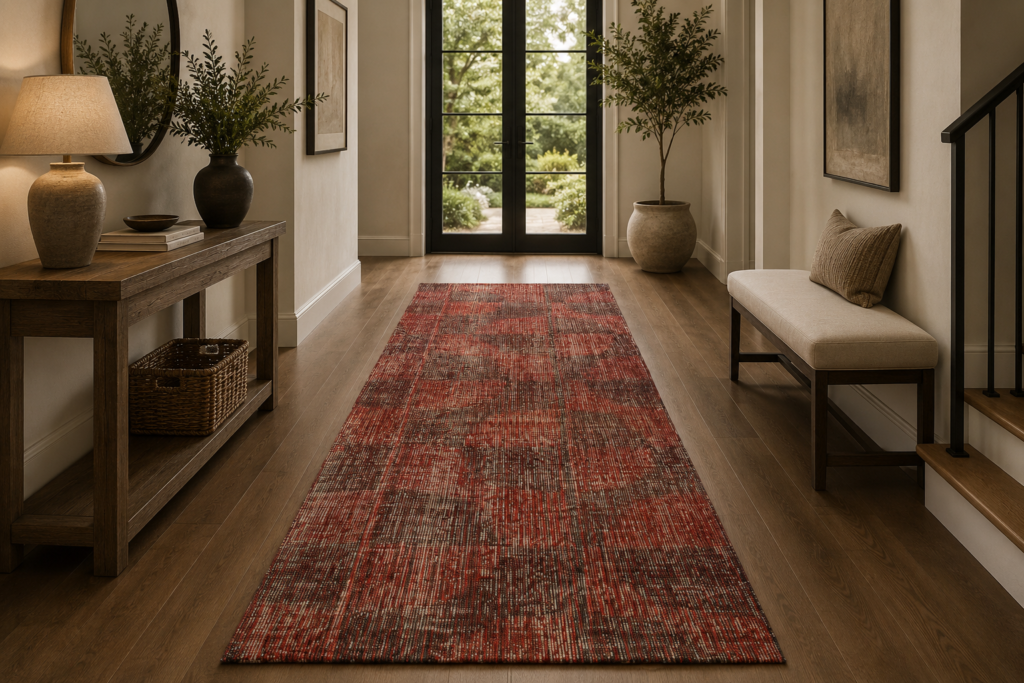
This guide focuses on the most common mistakes people make when buying an 8×10 rug and how to avoid them. It is written to help you save time, money, and frustration while choosing a rug that truly works in your home. Whether you are shopping for a living room, bedroom, dining room, or open-plan area, these tips will help you buy with more confidence and better results.
Why The Wrong Rug Can Ruin A Room
A rug is one of the largest decorative pieces in a room, so its impact is much bigger than many people expect. When the size is off or the style clashes with the furniture, the entire room can feel unbalanced. This happens because the rug acts like a visual foundation. If the foundation is weak, the whole room can feel unstable.
Many people focus on the colour or pattern first, but size and placement are just as important. A rug that looks amazing in a product photo may not actually work in a real space if the scale is wrong. That is why so many interior designers treat the rug as a structural decision, not just a decorative one.
The 8×10 rug is popular because it solves a lot of these problems when chosen correctly. But even this size can fail if the wrong assumptions are made. The goal is not just to buy an 8×10 rug. The goal is to buy the right 8×10 rug for the room, furniture, and lifestyle.
Mistake 1: Choosing The Wrong Size For The Room
Even though this article focuses on 8×10 rugs, one of the biggest mistakes is assuming that 8×10 will automatically work in every room. It is a versatile size, but not every room can support it. If the room is very small, the rug may feel too dominant. If the room is very large, it may not cover enough floor to properly anchor the furniture.
The best way to avoid this mistake is to measure the room carefully before you buy. Think about where the furniture will sit and how much floor should remain visible around the edges. A rug should usually connect with the main furniture group rather than sit randomly in the middle of the floor.
If you are working with a living room, bedroom, or dining room, ask yourself whether the rug will define the main zone clearly. If the answer is no, the size may need to change. The most important thing is not whether the rug is popular, but whether it supports the actual room layout.
Mistake 2: Not Considering Furniture Layout
A rug should work with the furniture, not just the room walls. One of the most common mistakes people make is centering the rug based on the room itself and ignoring the way the furniture is arranged. This often leads to a layout where the rug feels disconnected from the sofa, bed, or table.
In a living room, the rug should usually overlap the seating area so that the furniture feels visually connected. In a bedroom, it should extend out from the bed enough to create soft stepping space. In a dining room, it should support the chairs even when they are pulled back. These are functional decisions as much as design decisions.
If the furniture does not relate to the rug, the room can feel floating and incomplete. A rug should help the eye understand how the room works. The moment that connection is lost, the whole space becomes harder to read.
Mistake 3: Buying Before Measuring
This is one of the easiest mistakes to avoid, yet it happens all the time. People fall in love with a rug online and order it before measuring the room or checking furniture dimensions. When it arrives, they realize it is too large, too small, or awkward for the layout.
A simple measuring process prevents this problem. Measure the full room, then measure the furniture pieces that will sit on or near the rug. Think about how much space you want between the rug and the wall, and how much overlap you want with the furniture.
Another useful trick is to tape the rug size onto the floor with painter’s tape. This lets you see the actual footprint of the rug before buying. It is one of the best ways to avoid regret and make sure the 8×10 size truly fits the room.
Mistake 4: Ignoring Traffic Flow
Traffic flow is one of the most overlooked factors in rug buying. A rug may look beautiful in a styled photo, but if it blocks a walkway or catches on a door, it will quickly become frustrating in everyday life.
You should always check how people move through the room. Can doors open freely? Can people walk around the seating area without stepping awkwardly on the rug edge? Can chairs move back without obstruction? These are small details, but they matter a lot.
An 8×10 rug should support the room’s movement, not interrupt it. If the rug is placed in the wrong path, it can create tripping risks or make the room feel crowded. Good placement means the rug feels natural from the moment you start using the space.
Mistake 5: Choosing A Material That Does Not Match The Room
Not all materials behave the same way. A beautiful rug may still be the wrong choice if the material does not suit the room’s purpose. For example, a high-pile rug may feel luxurious in a bedroom but frustrating in a dining room. A natural fibre rug may look stunning in a quiet room but be difficult to maintain in a spill-prone space.
When choosing an 8×10 rug, think about how the room is actually used. In high-traffic rooms, durability and easy cleaning should matter a lot. In low-traffic rooms, softness and comfort may be more important. In dining spaces, low-pile surfaces are usually best because they work well with chairs.
Matching the material to the room is one of the smartest things you can do. It saves you from disappointment later and helps the rug age well in the space where it lives.
Mistake 6: Choosing Style Before Function
People often get attracted to pattern, colour, or trend first. That is understandable, but it can lead to bad decisions. A rug should be attractive, yes, but it also has to function in the room. If it is too delicate for the space, too hard to clean, or too distracting for the furniture, it will become a problem.
Think of style as the final layer, not the first one. First ask what the room needs. Then decide whether the rug should be bold, quiet, textured, patterned, soft, or durable. Once the function is clear, the style becomes much easier to choose.
The best 8×10 rug is the one that works beautifully in daily life and still looks good when you walk into the room months later.
Mistake 7: Overdoing Pattern
Pattern can be wonderful, but too much pattern can make a room feel noisy. This often happens when the rug is highly patterned and the furniture, curtains, cushions, or wall decor are already visually busy. Instead of creating energy, the room starts to feel cluttered.
Because an 8×10 rug covers a large part of the floor, its pattern has a lot of visual power. If the design is too loud, it may dominate everything else in the room. That can be fine in some homes, but in many cases, a softer pattern creates a more balanced result.
A good approach is to decide whether the rug will be the star or the supporting piece. If the room already has strong visual elements, the rug should probably calm things down. If the room is minimal, the rug can safely carry more personality.
Mistake 8: Choosing A Rug That Is Too Thin
Thickness affects both comfort and appearance. A rug that is too thin can feel flat, cheap, or unfinished, especially in a main living area. It may also move around more easily if it is not paired with a proper rug pad.
That does not mean every rug must be thick and plush. In fact, low-pile rugs are often better for dining rooms and offices. But the construction should still feel appropriate for the room. A very thin rug in a formal living room may look underwhelming, while a thick rug in a chair-heavy dining room may be inconvenient.
The key is balance. The rug should feel substantial enough to anchor the room without making the space hard to use.
Mistake 9: Forgetting About Rug Pads
A rug pad may seem like a minor detail, but it can make a major difference. Without one, the rug may slip, bunch, or wear out faster. A good pad helps the rug stay in place, adds comfort underfoot, and protects the floor below.
For an 8×10 rug, a pad is especially useful because the rug covers a large area and is likely to receive regular traffic. In living rooms and bedrooms, a pad can make the rug feel more secure and comfortable. In dining rooms, it can help reduce movement when chairs shift.
Many people skip the pad because they think it is optional. In reality, it is one of the best ways to improve the rug’s performance and lifespan. A beautiful rug deserves proper support.
Mistake 10: Not Thinking About Colour In The Room
Colour is not just about taste. It affects the whole mood of the room. A light rug can make a room feel more open, while a dark rug can make it feel more grounded and intimate. A warm neutral can create softness, while a strong colour can bring energy and contrast.
One common mistake is choosing a rug colour that does not relate to anything else in the room. If the floor, walls, furniture, and accessories all sit in separate colour families, the space may feel disconnected. The rug should usually act as part of the overall palette, not an unrelated element.
The easiest way to avoid this is to look at the largest items in the room first. Match the rug to the tone of the furniture, flooring, or wall colour so the whole room feels coordinated. A good rug colour should support the atmosphere you want to create.
Mistake 11: Buying A Trend Without Long-Term Appeal
Trend-driven shopping can be exciting, but some rugs look better in the moment than they do over time. A very bold design may feel fresh now, but may not age well if your furniture or wall colour changes later.
This is not to say you should avoid trends entirely. It simply means you should choose them carefully. If you want a trendy rug, consider one that uses a classic base colour or a subtle pattern. That way, it feels current without becoming too dependent on one short-lived style phase.
The best 8×10 rug is often the one that feels current now but still looks appropriate years from now. That is especially important if you do not want to replace your rug every season.
Mistake 12: Choosing The Wrong Rug For The Lifestyle
A rug that works for one household may be completely wrong for another. A family with children and pets needs a different kind of rug than a single-person apartment or a formal guest room. If you do not account for your lifestyle, you may end up with something beautiful but impractical.
If your home is busy, choose something that is durable, easy to clean, and forgiving of stains or wear. If your room is mostly decorative, you can prioritize softness, detail, and luxury. If the rug will live under a dining table, it should be able to handle chair movement and spills.
Thinking about lifestyle before buying is one of the smartest ways to make the rug last longer and stay useful.
Mistake 13: Ignoring Lighting
Lighting changes how a rug looks. A colour that seems perfect online may look very different in your room depending on natural light, bulb temperature, and shadow. A rug placed in a bright room may appear lighter and softer, while the same rug in a darker room may look deeper or more muted.
This is why rug samples and product photos are not always enough. If possible, imagine how the rug will look in your actual space at different times of day. Morning light, evening light, and artificial lighting can all shift the appearance of texture and colour.
When lighting is ignored, buyers are often surprised by the final result. Thinking about light early makes it much easier to choose a rug that feels right in the real room.
Mistake 14: Overlooking Seasonal Feel
An 8×10 rug does not just affect style. It also affects how a room feels through different seasons. In winter, people often want rugs that feel warmer, heavier, and more comforting. In summer, they may prefer lighter looks and more breathable styling.
If you choose a very heavy visual design for a room that already feels dark or enclosed, the space may feel too closed in during the colder months. On the other hand, a very light or delicate rug in a large room may not create enough presence in winter.
The most flexible rugs are the ones that work across seasons. Soft neutrals, moderate textures, and balanced patterns usually give you the best long-term flexibility. They can support the room all year without feeling out of place.
Mistake 15: Forgetting About Cleaning
Every rug will need cleaning at some point. The biggest mistake is choosing a rug without thinking about how it will actually be maintained. If you buy a rug that is difficult to clean but place it in a high-use area, you may find yourself avoiding the space or worrying about every spill.
The better approach is to match the rug to the level of mess the room will likely see. Dining rooms, family rooms, and entry zones need more practical materials. Bedrooms and formal spaces can tolerate more delicate styles.
If cleaning feels like an afterthought at the time of purchase, it often becomes a source of regret later. A rug should support your life, not make you anxious about it.
Mistake 16: Using The Wrong Border Around The Rug
Some rooms look best with a clear border of exposed floor around the rug. Others can tolerate a closer fit. Many people choose an 8×10 rug but place it too tightly against the walls or too far from the furniture, which creates an awkward visual effect.
The rug should usually frame the furniture group rather than float randomly. Too much floor around it can make it feel disconnected. Too little floor around it can make the room feel crowded. The right border depends on the room, but balance is always the goal.
This is why it helps to test the placement with tape or move furniture visually before ordering. The border matters more than many people realize.
Mistake 17: Not Thinking About The Room As A Whole
A rug is not a separate object. It is part of the full room composition. People sometimes choose a rug they love in isolation without considering the sofa, table, curtains, art, flooring, or even ceiling height. When this happens, the rug may be attractive on its own but not in the room.
The most successful interiors are the ones where all the pieces work together. The rug should support the shape, colour, and mood of the room. It does not need to match everything exactly, but it should belong to the same visual story.
Thinking holistically is one of the easiest ways to make a rug look more expensive and more intentional.
How To Avoid These Mistakes
The best way to avoid rug mistakes is to slow down and make the decision in stages. First, measure the room. Then study the furniture layout. Then consider traffic, lighting, lifestyle, and maintenance. Once those are clear, choose a material and style that support all of those needs.
This process may sound simple, but it prevents the most common buying regrets. Instead of reacting to a pretty picture, you are making a decision based on how the rug will live in your home. That is the difference between a decorative purchase and a smart design choice.
If you want the rug to look good for years, this careful approach matters more than chasing the latest trend or the cheapest price.
The 8×10 rug can be one of the best design investments you make, but only if it is chosen with care. The most common mistakes usually come from rushing, guessing, or focusing too much on style and not enough on function. Once you understand how size, placement, material, colour, and lifestyle work together, the buying process becomes much easier.
A well-chosen 8×10 rug can ground a room, soften the floor, and bring the whole interior together. A poorly chosen one can create frustration and make the room feel off-balance. That is why buying carefully matters so much.
If you avoid the mistakes in this guide, you give yourself the best chance of choosing an 8×10 rug that truly works in your home. And when that happens, the rug becomes more than a floor covering. It becomes one of the strongest pieces in the entire room.