
An 8×10 rug is one of the most practical and versatile design pieces you can bring into a home. It is large enough to define a room, yet flexible enough to work in spaces that are formal, casual, modern, traditional, or fully open-plan. In 2026, homeowners are paying closer attention to rug placement than ever before, because the way a rug sits under furniture can completely change how a room feels. A beautiful rug in the wrong position can look awkward, while a simple rug in the right place can make the whole space feel polished and complete.
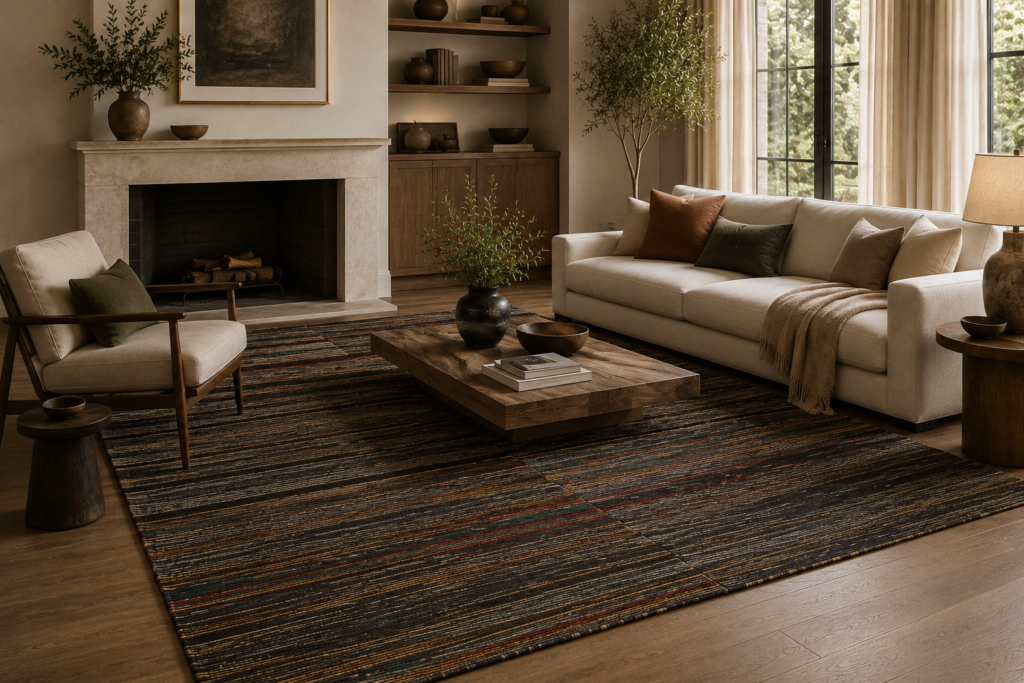
That is why this guide focuses entirely on placement. If you already know that you want an 8×10 rug but are unsure where it should go, how much furniture should sit on it, or how to make it look balanced in each room, this article is for you. It breaks down the best placement ideas for living rooms, bedrooms, dining rooms, offices, and other areas of the home so you can make the most of this ideal rug size.
Why Placement Matters So Much
Many people think rug shopping is mainly about colour, pattern, or material. Those are important, but placement is what decides whether the rug actually works in the room. An 8×10 rug has enough size to influence the visual structure of a space, which means its position affects the whole layout.
If the rug is placed too far away from the furniture, the room can feel disconnected. If it is placed too close to the walls, it can feel cramped. If it is too small for the furniture grouping, the room may look unfinished. Good placement solves all of these problems.
This is also why the 8×10 size is so useful. It is large enough to support thoughtful placement in most rooms, but not so large that it limits your options. You can use it to anchor a conversation area, create a soft bedroom zone, define a dining area, or bring order to an open-plan layout. The right placement turns the rug from a decorative accessory into a functional design foundation.
How To Know If 8×10 Is The Right Size
Before deciding where to place an 8×10 rug, it helps to know whether the size is right for the room at all. The best rooms for this size usually have enough floor space to allow some visible border around the rug. In most cases, you want the rug to feel substantial without pressing directly into every wall.
In a living room, this size often works well when the seating group is medium to large. In a bedroom, it usually suits queen and many king layouts depending on room size. In a dining room, it often fits six-seat tables comfortably. These are not strict rules, but they are strong starting points.
A helpful trick is to imagine the rug as a zone marker. The rug should clearly define the main functional area of the room. If the room is too small to allow that zone to breathe, a different size may be better. But for many homes, 8×10 is the right balance between presence and flexibility.
Living Room Placement Ideas
Front Legs On The Rug
One of the most common and effective ways to place an 8×10 rug in a living room is the front-legs-on arrangement. In this setup, the front legs of the sofa and chairs rest on the rug while the back legs remain on the floor. This creates a strong visual link between all the seating pieces.
This method is especially helpful in standard living rooms where you want the room to feel grounded but not crowded. It gives enough rug coverage to tie the furniture together while still leaving some exposed flooring around the edges. The coffee table should sit fully on the rug and remain centered within the seating area.
The front-legs-on method works well because it creates structure without demanding an oversized rug. It is a simple and elegant solution for most medium rooms.
All Furniture On The Rug
If your living room is a bit larger or you want a more finished, luxurious look, you can place all major furniture legs entirely on the rug. This gives the room a more complete and hotel-like feeling. It works particularly well in formal living rooms, spacious lounges, and open-plan interiors where the seating zone needs to feel distinct.
This layout requires careful planning, because the rug should still leave a border of visible floor around the outside. If the rug feels pressed too closely against the walls or surrounding furniture, the room may look squeezed. But when done well, this is one of the most polished ways to use an 8×10 rug.
It can also make the room feel calmer. With all the furniture resting within one defined base, the eye reads the room as a single, unified composition.
Floating Furniture Layout
In many modern living rooms, the sofa does not sit against a wall. Instead, it floats in the center of the room. This is common in open-plan homes or larger lounge areas. In this kind of space, an 8×10 rug is extremely useful because it gives the floating furniture a clear anchor.
The rug should sit beneath the entire seating arrangement and mark the boundaries of the conversation area. This helps the room feel intentional rather than scattered. Without a rug, floating furniture can sometimes look unfinished or disconnected. With a well-placed rug, it looks organized and elegant.
This layout is especially effective when the room has multiple pathways around it. The rug helps separate the seating zone from circulation space without needing any physical divider.
Bedroom Placement Ideas
Under A Queen Bed
The queen bed is one of the best matches for an 8×10 rug. In many bedrooms, this is close to the ideal size. The rug should extend beyond both sides of the bed and continue past the foot so that you have a comfortable surface to step on when getting out of bed.
This placement makes the bedroom feel softer and more complete. The bed becomes the center of a defined sleeping area instead of sitting visually on bare floor. That can immediately make the room feel more restful and polished.
If possible, the top edge of the rug should begin slightly in front of the bedside tables. This creates a visually pleasing frame around the bed while keeping the overall layout balanced.
Under A King Bed
An 8×10 rug can also work under a king bed, although the room size becomes more important. In a larger bedroom, it may create a beautiful frame around the lower portion of the bed. In a smaller room, the rug may need to be positioned farther down so that more of the rug extends outward at the foot and sides.
The key is to use the rug where your feet land most often. If the layout puts most of the comfort at the foot of the bed, that can still be a very good solution. The goal is not perfect textbook placement. The goal is a layout that feels practical and visually balanced in the real room.
For king beds in tighter spaces, a well-placed 8×10 rug often looks better than a rug that is too large and overwhelms the room.
Guest Bedroom Layouts
Guest bedrooms often benefit from an 8×10 rug because the room usually needs a touch of warmth and structure without too many additional pieces. A rug under the bed creates a welcoming look and makes the room feel more finished.
Because guest rooms are not used every day, you can also be a little more decorative with style choices. A soft neutral, an elegant pattern, or a cozy textured rug can all work well depending on the overall design of the room.
The rug should help the room feel intentionally designed rather than simply furnished. That is especially important in guest spaces, where comfort and first impressions matter a lot.
Dining Room Placement Ideas
Under A Six-Seater Table
A dining room is one of the clearest use cases for an 8×10 rug. It is often the ideal size for a six-seat rectangular table because it gives enough room for the chairs to remain on the rug when pulled out. That is the most important rule in dining-room rug placement.
If the rug is too small, the chair legs will catch on the edge when people sit down or stand up. That creates friction and makes the room frustrating to use. An 8×10 rug usually gives enough breathing room to avoid that problem, especially if the table size is well matched.
A centered placement under the table usually works best. The table should feel visually grounded, and the rug should support the shape of the dining zone.
Low-Pile Placement For Dining
Because dining rooms are high-use areas, the rug should usually be low-pile or flatwoven. That makes it easier to move chairs, clean crumbs, and maintain a neat appearance. Thick rugs can feel too soft and may make chair movement awkward.
The placement itself should also be practical. You want enough rug visible around the table to create a sense of comfort and formality, but not so much rug that the room feels crowded. A balanced frame around the dining table helps the room feel calm and orderly.
In open-plan layouts, the dining rug also works as a boundary marker, separating the table zone from the rest of the room. This can make the overall space feel much more organised.
Home Office Placement Ideas
Desk And Chair On The Rug
In a home office, the 8×10 rug can help create a professional and grounded feeling. A desk and office chair placed on the rug immediately make the space feel more intentional. It reduces echo, softens the room, and helps distinguish work space from the rest of the home.
For this to work well, the chair should roll comfortably over the rug. That means you need a rug that is smooth enough for easy movement. Low-pile and tightly woven styles usually work best here.
The rug should be aligned with the desk and the main direction of the room, not just placed in the center for decoration. Placement should support both comfort and workflow.
Shared Office And Guest Room
Many home offices also serve as guest rooms. In these cases, the 8×10 rug can help define the workspace while still supporting the bed or sofa bed. This makes the room feel balanced and multifunctional.
The rug can sit partly under the desk zone and partly under the sleeping zone, depending on the layout. The goal is to make the room feel like one complete space rather than two unrelated functions squeezed together.
This is another reason the 8×10 size is so useful. It can handle zoning better than smaller rugs while still staying manageable in a multipurpose room.
Entryway And Hallway Uses
An 8×10 rug can also work in very large entry spaces or broad transitional areas. If the entry is spacious enough, the rug can provide a strong first impression and help establish the home’s style right away.
It works especially well when the entry opens into a larger room. The rug can visually soften the space and help guide the eye toward the main interior areas. It should be placed so that movement through the space still feels natural.
In these areas, durability matters most. The rug should be able to handle regular foot traffic and occasional dirt from outside. A good rug in the entry can set the tone for the whole home.
Material And Placement Connection
The best placement for an 8×10 rug also depends on the material. A plush wool rug may work beautifully in a bedroom or formal living room but may not be ideal in a dining room. A flatwoven synthetic rug may be perfect for the dining room but feel too simple for a luxurious bedroom setting.
This is why placement and material should be considered together. A rug that fits the room in scale but not in texture or usability will still feel wrong. The room’s function should guide both where the rug goes and what it is made of.
For example, a high-traffic family room needs a rug that can handle use, and the placement should help protect the rug from excessive wear. A quieter room like a guest bedroom allows more flexibility in both placement and texture.
How Much Floor Should Show Around The Rug
One of the most common questions about rug placement is how much floor should remain visible around the edges. There is no single perfect answer, but a common design approach is to leave enough exposed floor so the rug feels like it belongs to the room rather than replacing the floor entirely.
In living rooms, a visible border of floor around the rug often helps the room feel more open and elegant. In bedrooms, you may want a bit more rug visible around the bed for comfort. In dining rooms, the border is less about visual openness and more about ensuring chair clearance.
The overall feeling should be balanced. If the rug looks too isolated, it may be too small or too far from the furniture. If it looks crammed against every wall, it may be too large for the room. The 8×10 size usually gives you enough flexibility to avoid both extremes.
Using An 8×10 Rug In Open-Plan Homes
Open-plan homes are one of the best places to use an 8×10 rug because the rug can define a specific zone without breaking the flow of the space. This is especially useful when one room contains the living area, dining area, and sometimes even a work area.
The rug helps create identity. It tells the eye, “this is the living area,” even when the room has no walls. Without that visual anchor, open-plan spaces can feel like a collection of furniture arranged without purpose.
The rug should be centered under the furniture group that you want to highlight. If the living room is the main zone, the sofa and chairs should guide the placement. If the dining zone is the focus, the table should be the anchor point instead.
Layering And Placement
Layering rugs can also influence how you place an 8×10. In some homes, the 8×10 serves as the base layer with a smaller decorative rug placed on top. This can add texture and style, especially in rooms that need more visual richness.
When layering, the base rug should remain the main structural element. The top rug should enhance the feeling of the room, not confuse it. The placement should still feel clear and balanced.
This technique works especially well in bedrooms and lounges where the goal is comfort and texture. It can also be useful in large rooms that need extra warmth or visual depth.
Seasonal Placement Adjustments
One interesting thing about an 8×10 rug is that its placement can feel slightly different depending on the season. In winter, people often want the rug to feel cozier and more enclosed, with furniture sitting more fully on it. In summer, the same rug may feel better when the room is more open and airy.
This does not mean you need to move the rug constantly. But it does mean you can think about the room’s atmosphere when deciding how far under the furniture the rug should go. A slightly more generous overlap can feel warmer. A slightly lighter arrangement can feel more spacious.
Because the 8×10 size is so adaptable, it can support either approach.
Common Placement Mistakes
The most common placement mistake is centering the rug in the room without thinking about the furniture. A rug should usually relate to the furniture arrangement first and the walls second. If the rug is in the center of the room but disconnected from the seating or bed, it will look misplaced.
Another mistake is not considering traffic flow. People should be able to move through the room naturally without stepping awkwardly on a rug edge or catching a chair leg. The rug should support the way the room is used, not interrupt it.
A third mistake is buying the rug before measuring the room. Placement becomes much easier when you know the room dimensions, furniture sizes, and how much floor you want to leave visible. Good planning always leads to better results.
Choosing The Right Style For Placement
Placement and style should work together. A bold patterned rug placed under a very simple sofa can become the room’s focal point. A soft neutral rug placed under rich furniture can create balance.
If the rug is going in a main social area, it often makes sense to choose a style that supports the room’s overall mood rather than dominating it. If the room already has a lot of visual activity, a more restrained rug is usually better. If the room is plain, the rug can carry more of the design interest.
This principle is useful in every room. The rug should feel like part of the architecture of the room, even though it is technically a soft furnishing.
Why The 8×10 Rug Remains A Smart Choice In 2026
The 8×10 rug remains strong in 2026 because it is practical, attractive, and highly adaptable. As homes become more multifunctional, people need pieces that can support zoning, comfort, and design at the same time. This rug size does exactly that.
It works in many of the most common room types and can adapt to different furniture arrangements. It also allows homeowners to express style without making the room feel overloaded. In a time when people want homes that feel both beautiful and livable, this balance is incredibly valuable.
The 8×10 size is not just a trend. It is a reliable standard that continues to make sense across changing design preferences.
Final Thoughts
If you want one rug size that can work across multiple rooms and design styles, the 8×10 rug is one of the strongest choices available. Its real power lies not just in the size itself, but in how you place it. Good placement can make a room feel larger, calmer, and more complete. Poor placement can make even a beautiful rug look wrong.
The best approach is to think carefully about the room’s purpose, the furniture layout, and the amount of floor space you want to show. Then place the rug so it supports the room’s function and style at the same time. That is what makes the 8×10 rug such a dependable design tool.
Used well, it does far more than cover the floor. It creates structure, warmth, and harmony in the whole room.