
Choosing the right 8×10 rug can completely change the feel of a room. It can make a space feel larger, more luxurious, warmer, and more complete, all without changing the furniture or the walls. That is why the 8×10 size continues to be one of the most popular choices for living rooms, bedrooms, dining rooms, and open-plan interiors in 2026. It gives you enough surface area to anchor furniture properly while still fitting comfortably into many standard room layouts.
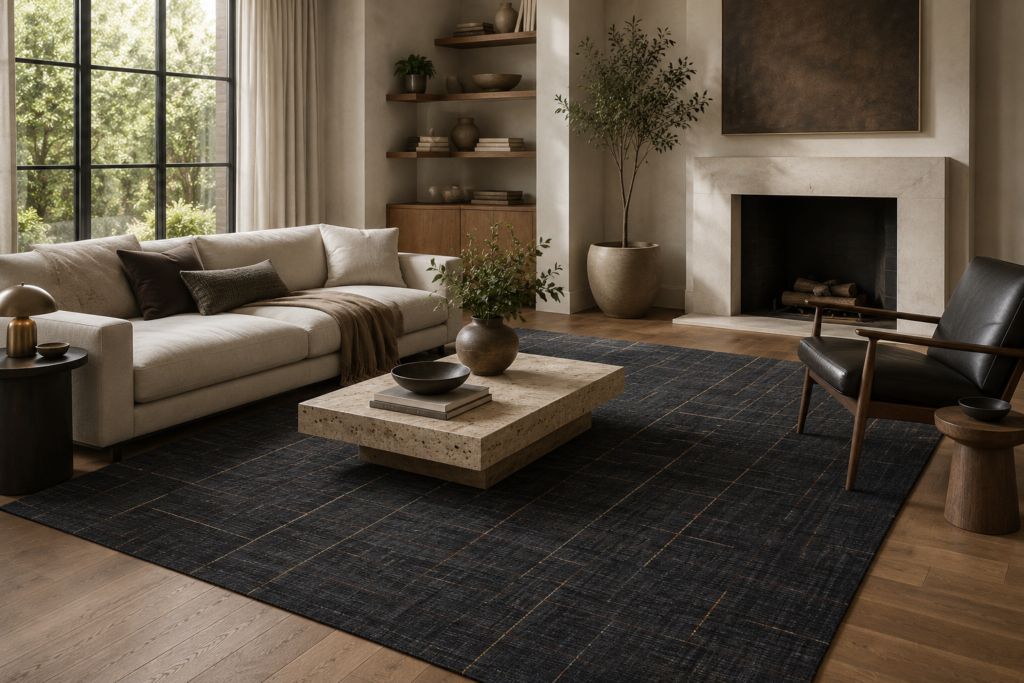
This guide is designed to help you choose the perfect 8×10 rug with confidence. You will learn how to measure your room, select the right material, understand the best placements for each room type, and avoid the mistakes that lead to awkward layouts or wasted money. Whether you are shopping for style, comfort, durability, or all three, this article will give you a practical framework you can use before you buy.
Why The 8×10 Rug Is So Popular
The 8×10 rug is popular because it sits in the ideal middle ground between being too small and too large. Smaller rugs often fail to connect furniture properly, while larger rugs may overwhelm a room or cost more than necessary. An 8×10 rug usually offers enough coverage to ground a seating area or bed while still leaving a nice border of exposed flooring around the edges.
It is also one of the easiest sizes to style. In living rooms, it works well under a sofa and coffee table. In bedrooms, it can extend beyond the bed to create a soft landing space. In dining rooms, it can comfortably fit under a six-seat table. Because of this flexibility, homeowners, designers, and online shoppers continue to treat the 8×10 rug as the default starting point when decorating a medium or large room.
Another reason for its popularity is that it makes rooms look intentional. A properly sized rug can define a zone, reduce visual clutter, and create a more finished interior. When a room feels incomplete, the problem is often not the furniture—it is the rug size. The 8×10 format solves that problem for many layouts.
Understanding The Real Size
An 8×10 rug measures approximately eight feet by ten feet, which equals about 96 inches by 120 inches. That sounds straightforward, but rug sizes can vary slightly depending on the brand, construction method, and hand-finishing process. Some rugs may be a little shorter or longer, so it is always important to confirm the exact product dimensions before placing an order.
This size works especially well in rooms that are medium-sized or slightly larger. A room that is around 10×12 feet or larger can often handle an 8×10 rug well, especially if the goal is to create a central furniture zone. In larger open spaces, the rug can be used to define one section of the room, such as a living area or reading area. In smaller rooms, it can still work if the furniture overlaps the rug carefully and the layout is planned with precision.
One of the best ways to visualise the size before buying is to mark it out on the floor with painter’s tape. This simple step helps you understand how much floor space will remain visible and whether doors, chairs, or walkways will interfere with the placement. It is one of the easiest ways to avoid a sizing mistake.
How To Choose The Right 8×10 Rug For Your Room
When choosing an 8×10 rug, start with the room’s purpose. A rug for a living room needs different qualities than a rug for a bedroom or dining room. In a living room, comfort and furniture anchoring are important. In a bedroom, softness and comfort underfoot matter more. In a dining room, low pile and easy cleaning are usually the top priorities.
Next, think about traffic. High-traffic rooms need durable fibres and good stain resistance. Lower-traffic rooms allow more freedom in texture, colour, and pile height. If children or pets will use the rug often, choose materials that are easier to vacuum and spot-clean. If the rug is more decorative, you can focus more on style and texture.
The final step is visual balance. The rug should match the scale of the furniture and the room itself. If the room is filled with large, heavy furniture, the rug should be substantial enough to hold its ground. If the room is airy and minimal, a lighter or more subtle rug may look better. The best 8×10 rug is not just the one that fits the floor—it is the one that fits the entire room.
Best Materials For 8×10 Rugs
Wool
Wool is one of the best materials for an 8×10 rug because it combines durability, softness, and a premium feel. It naturally resists dirt better than many other fibres and tends to recover well after being compressed by furniture or foot traffic. This makes wool a strong choice for living rooms and bedrooms where both comfort and longevity matter.
A wool rug also often looks richer and more textured than synthetic alternatives. It can feel warm underfoot in colder months and remains a classic choice in both traditional and modern interiors. The main downside is cost, since wool rugs are usually more expensive than synthetic options. Still, for many homeowners, the long-term value justifies the price.
Cotton
Cotton rugs are lighter and more casual. They can be a good choice for relaxed spaces, guest rooms, or rooms where you want a softer visual effect. Cotton is also easier to move and may be more budget-friendly than wool.
The trade-off is durability. Cotton rugs can wear faster in high-traffic areas and may not hold up as well under heavy furniture or frequent spills. They are best used in spaces where comfort and easy styling matter more than heavy-duty performance.
Synthetic Fibres
Polypropylene, polyester, and nylon are common choices for 8×10 rugs because they are affordable, stain-resistant, and practical. These materials are especially useful for homes with children, pets, or busy family routines. They are also popular for washable rug designs, which have become much more common in recent years.
Synthetic rugs are often the smartest option for dining rooms, entry zones, or any room that sees a lot of mess. They are usually easier to clean than natural fibres and can come in a wide range of styles. If you want something functional and attractive without a high price tag, synthetic is often the best starting point.
Jute, Sisal, And Natural Fibres
Natural fibre rugs like jute and sisal have become popular for their earthy texture and organic appearance. They work well in coastal, boho, rustic, and transitional interiors. An 8×10 natural fibre rug can add visual warmth and make a room feel grounded without introducing too much pattern.
These rugs are best in low- to medium-traffic areas where moisture is limited. They are not usually the best choice for spill-prone spaces because they can stain or warp more easily than wool or synthetics. But if your goal is texture and a natural aesthetic, they can be excellent.
Choosing The Right Style
The style of your 8×10 rug should support the room rather than overpower it. If your furniture already has strong lines or bold colours, a more subtle rug may create balance. If the furniture is simple and minimal, the rug can become the visual centrepiece.
Neutral rugs are among the safest and most timeless choices. Shades like ivory, beige, taupe, sand, grey, and oatmeal work well with many furniture styles and colour palettes. These colours are especially good if you want the rug to stay relevant even as your décor changes over time.
Patterned rugs, on the other hand, can add personality and help disguise everyday wear. Geometric rugs work well in modern homes. Traditional and Persian-inspired rugs bring depth and character. Vintage-washed rugs are especially popular because they feel established and stylish without looking overly formal.
If you want the room to feel bold, choose a rug with stronger contrast or a richer palette. Deep blue, green, rust, and burgundy tones can make an 8×10 rug feel like a statement piece. If you want the room to feel calm and airy, use softened colours with lower contrast and a quieter pattern.
Living Room Placement Ideas
The living room is where the 8×10 rug often shines the most. In a standard living room, the rug can anchor the sofa, coffee table, and chairs into a single seating zone. One of the most effective arrangements is the front-legs-on layout, where the front legs of the sofa and chairs sit on the rug while the back legs remain on the floor. This creates visual connection without requiring an even larger rug.
If the room is slightly larger, you can place all the main furniture legs on the rug. This creates a more luxurious, hotel-like feeling and makes the seating area look very intentional. The coffee table should still remain centered, and there should be a comfortable distance between the furniture group and the walls.
For open-plan homes, an 8×10 rug works beautifully to define the living zone. It separates the seating area from the dining area or kitchen without using walls or dividers. This is one reason it is such a useful size in modern interiors: it creates structure in spaces that might otherwise feel too open or disconnected.
Bedroom Placement Ideas
In bedrooms, the 8×10 rug can create a soft and inviting atmosphere. Under a queen bed, it is often close to perfect. The rug should extend beyond both sides of the bed and past the foot so that the bed looks grounded and the floor feels softer underfoot when you get out of bed.
For a king bed, the 8×10 can still work, though the fit depends on room size. In smaller bedrooms, the rug may sit lower under the bed so that more rug extends beyond the foot and sides. This helps preserve comfort without crowding the room. If the room is especially large, a bigger rug might be better, but many homes still make an 8×10 work beautifully with the right layout.
In guest rooms, an 8×10 rug adds a polished and welcoming feel. It can make the room feel more complete even if the furniture is simple. In multi-use rooms, the rug can also help define the sleeping area from a desk or reading corner.
Dining Room Placement Ideas
An 8×10 rug is often a strong fit for a six-seat rectangular dining table. The rule of thumb is that chairs should remain fully on the rug even when pulled out. That means the rug should extend well beyond the table edges on all sides. If chairs catch on the rug when people sit down, the rug is probably too small.
Low-pile rugs are usually the best choice for dining spaces because they are easier to move chairs across and easier to clean. Patterned rugs can help hide crumbs or minor stains, while flatwoven styles make it easier to maintain a neat look. If the dining room opens into another area, a rug in a complementary colour can help the entire space feel cohesive.
The key is proportion. The rug should support the table visually and functionally. It should not look squeezed under the furniture, and it should not force chairs to sit partly off the edge. A well-chosen 8×10 rug in a dining room can make the whole area feel more elegant and settled.
Home Office, Nursery, And Other Uses
An 8×10 rug can also work well in a home office. It helps soften the room, reduce sound, and create a more pleasant work environment. If the desk and chair are placed on the rug, the room feels more complete and less temporary. This can be especially helpful in open-plan homes where the office area needs a visual boundary.
In nurseries and children’s rooms, the 8×10 size provides a large soft surface for play and movement. It can help reduce noise and protect the floor from toys and furniture. Soft materials and easy-clean fibres are especially useful in these spaces.
Even in reading corners or larger entry areas, this size can add style and practicality. The rug becomes not just a decorative item but a functional foundation that improves comfort, organisation, and atmosphere.
Common Mistakes To Avoid
One of the biggest mistakes people make is choosing a rug that is too small. A rug that does not connect the furniture can make the room feel fragmented. An 8×10 rug often solves this problem, but only if it is placed correctly. If the rug floats in the center without overlapping the furniture at all, the room may still feel disconnected.
Another mistake is ignoring room flow. Furniture, doors, and walkways should all be considered before the rug is placed. A beautiful rug can become frustrating if it interferes with movement or if chairs get stuck on the edges. Measuring first always saves time and money.
A third mistake is choosing a style that clashes too strongly with the rest of the room. An 8×10 rug is large enough to have a major visual impact, so its colour and pattern should be chosen carefully. If everything in the room is already bold, the rug should probably be calmer. If the room is very plain, the rug can carry more visual interest.
How To Measure Before You Buy
Before buying an 8×10 rug, measure the room carefully. Start with the full dimensions of the room, then mark where the furniture sits. Think about how far the rug should extend under the sofa, bed, or table. This will help you understand whether the 8×10 size is the right choice or whether the room really needs something larger or smaller.
A very useful method is to tape the rug size on the floor. Use tape to outline the exact footprint and live with it for a few hours or a full day. Walk around it, open doors, and place furniture visually within the outline. This gives you a real sense of scale that photos alone cannot provide.
Always consider breathing room. A rug should not be pressed uncomfortably against walls or furniture unless the space is very small. Leaving a border of exposed flooring usually creates a more balanced and polished effect.
How Colour Affects The Room
Colour has a major effect on how an 8×10 rug changes a room. Light rugs tend to make a room feel bigger, brighter, and more open. Dark rugs tend to create a cozier, more grounded, and sometimes more dramatic effect. Neutral rugs are the easiest to work with because they can adapt as your furniture or wall colour changes.
Pattern also matters. A subtle pattern gives the room texture without distraction. A stronger pattern can create energy and help hide everyday wear. In family homes, patterned rugs are often more practical because they disguise stains, crumbs, and traffic marks better than flat solids.
Think about the atmosphere you want. A calm bedroom might benefit from soft beige or muted blue tones. A lively living room may need stronger contrast and more visual depth. The rug is one of the easiest ways to steer the mood of an entire room.
Rug Pads And Why They Matter
A rug pad is one of the most overlooked parts of buying an 8×10 rug. It helps keep the rug from slipping, protects the floor below, and makes the rug feel more comfortable underfoot. It can also help the rug lie flatter and last longer.
In high-traffic rooms, a rug pad can make a big difference. It reduces friction between the rug and the floor and can help prevent premature wear. It is especially useful on hard surfaces like wood, tile, or laminate.
For larger rugs like 8×10, a good pad is worth the investment. It improves safety, comfort, and durability, and it can make even a moderately priced rug feel more premium.
Cleaning And Maintenance
Keeping an 8×10 rug looking good requires regular attention, but it does not need to be difficult. Vacuum the rug routinely to remove dust and debris before they sink deeply into the fibres. Rotate it every few months if possible to balance wear and sunlight exposure.
If something spills, blot it immediately rather than rubbing it. Use a cleaner that suits the rug material and always test a small hidden section first if you are unsure. For deep or stubborn stains, professional cleaning may be the safest choice, especially for wool or handmade rugs.
Different materials need different care. Wool can often handle regular maintenance very well but may require gentler cleaning. Synthetic rugs are usually more forgiving. Natural fibre rugs need more caution with moisture. The better you understand the material, the longer the rug will keep its original beauty.
Buying Online Vs In Store
Buying an 8×10 rug online offers more choice, better comparison, and often better prices. You can browse many styles, colours, and materials from home, which is especially useful if you are shopping for a specific interior theme.
However, shopping in store can help you feel the texture, see the colour in person, and judge the pile height more accurately. This is useful if you are unsure how the rug will look under your existing lighting. If possible, use both methods: research online, then confirm details before final purchase.
What matters most is not just style but confidence. You want to know the rug fits the room, suits the use, and supports the atmosphere you want to create. Taking time to compare options is almost always worth it.
When To Choose Another Size Instead
Even though the 8×10 rug is versatile, it is not always the right answer. In very small rooms, it may feel too large if there is not enough open floor left around the edges. In very large living rooms, it may not cover enough area to properly anchor the furniture.
If the room is especially wide or open, a 9×12 or larger rug may be better. If the room is compact or narrow, a 6×9 or 5×8 may fit more naturally. The right choice depends on how the room is used, not only on the rug’s popularity.
Still, for many homes, 8×10 remains the best balance of size, function, and style. It is the safest size to start with if you are uncertain, and in many cases, it will be the one that feels most natural once placed.
Final Thoughts
The 8×10 rug continues to be one of the best design investments you can make for a home. It offers the right mix of scale, comfort, and visual impact, making it suitable for living rooms, bedrooms, dining rooms, and flexible spaces. When chosen well, it can make a room feel more complete, more elegant, and more comfortable every single day.
The most important thing is to match the rug to the room, the furniture, and the lifestyle. Measure carefully, think about traffic, choose a material that suits the space, and pay attention to how the colour and pattern affect the overall mood. With the right approach, an 8×10 rug is more than a decorative accessory—it becomes the foundation of the room.
If you are building a home around comfort and style, this is one of the smartest rug sizes to start with.